
Friday, February 27, 2026
What Happens When You Stop Guessing: Real Focus Group Results From Our First Month Using Focus

Most injury cases don’t settle based on what the law says. They settle based on what the other side thinks a jury might do.
Yet most negotiations still sound like this:
- “This feels like a $100k case.”
- “No one will connect the surgery to the fall.”
- “That verdict range seems unrealistic.”
Focus exists to replace gut instinct with measurable juror reaction—feedback from real people, not “AI predictions.” It’s fast, structured, and priced to be usable on real cases, not just bet-the-firm trials.
Below are real examples from our first month of focus groups run through Focus. For each case, you’ll see what it looked like before Focus, what jurors did with the evidence, and what changed next.
How to read the numbers
- Median: the middle award (a good “typical” outcome).
- Mean: the average award (often pulled up by high outliers).
- Adjusted mean: a mean designed to reduce the impact of extreme outliers.
- IQR (Interquartile Range): the middle 50% of awards (25th–75th percentile). It ignores the lowest 25% and highest 25%.
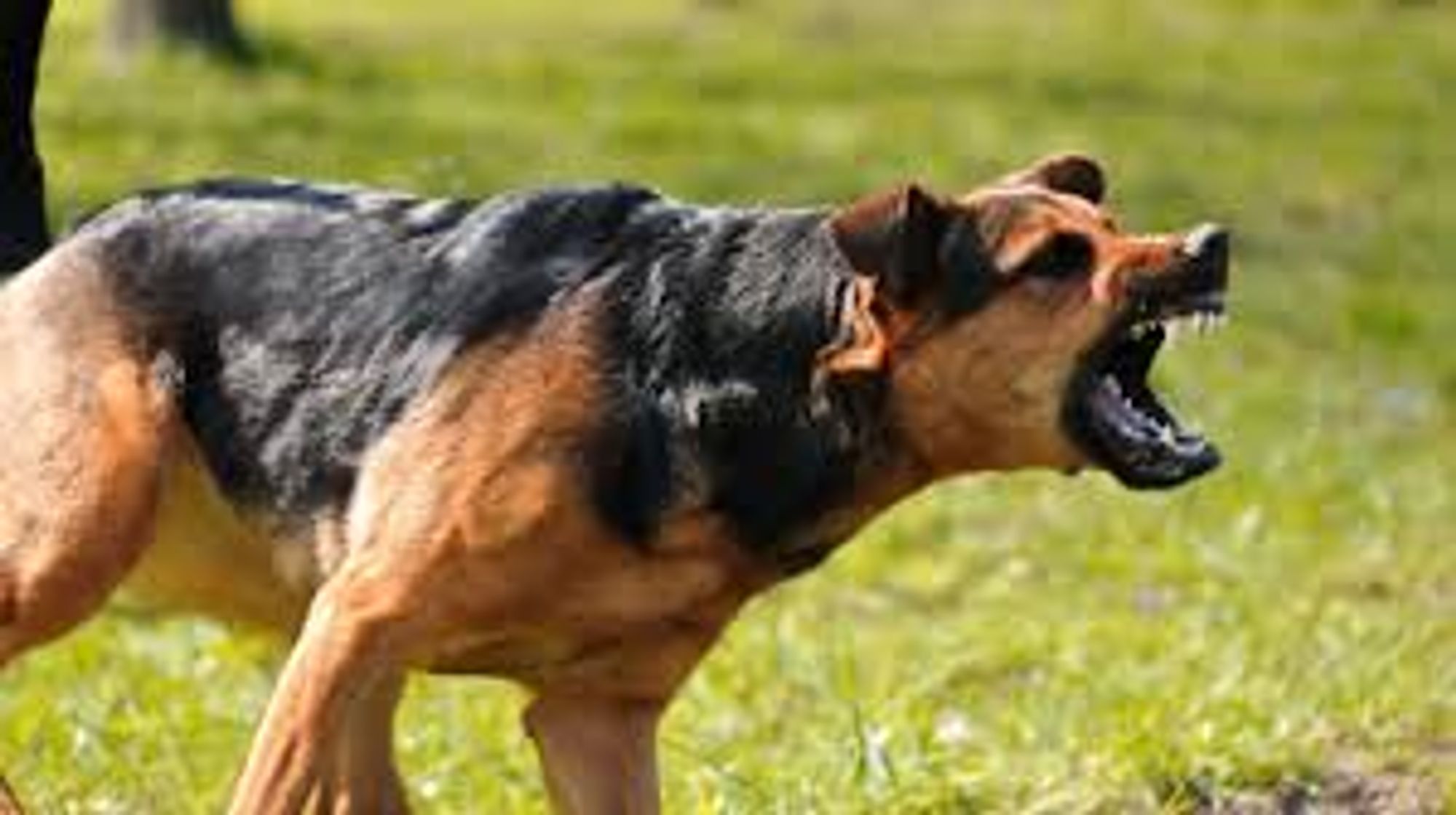
1) Dog Bite: From an $80,000 Offer to Carrier-Requested Pre-Suit Mediation
Before Focus
The carrier opened at $80,000 and moved slowly to $95,000.
What Focus showed (50-person Missouri panel)
- Adjusted mean: $331,162.98
- Median: $125,000
- IQR: $53,000 – $500,000
- 13/50 evaluators landed at $250,000+
- Multiple seven-figure evaluations tied to severity of the wound, permanent scarring, prolonged treatment, and owner conduct reflected in the police report
Why that mattered
This was not “people being generous.” It was jurors reacting to concrete facts—especially the police report details (vaccination lapse, prior neighborhood concerns about the same dog).
What changed next
After Focus, the carrier requested pre-suit mediation. That is the market acknowledging trial risk.
Takeaway
Focus didn’t inflate the case. It showed the upside exposure was real—and document-driven.
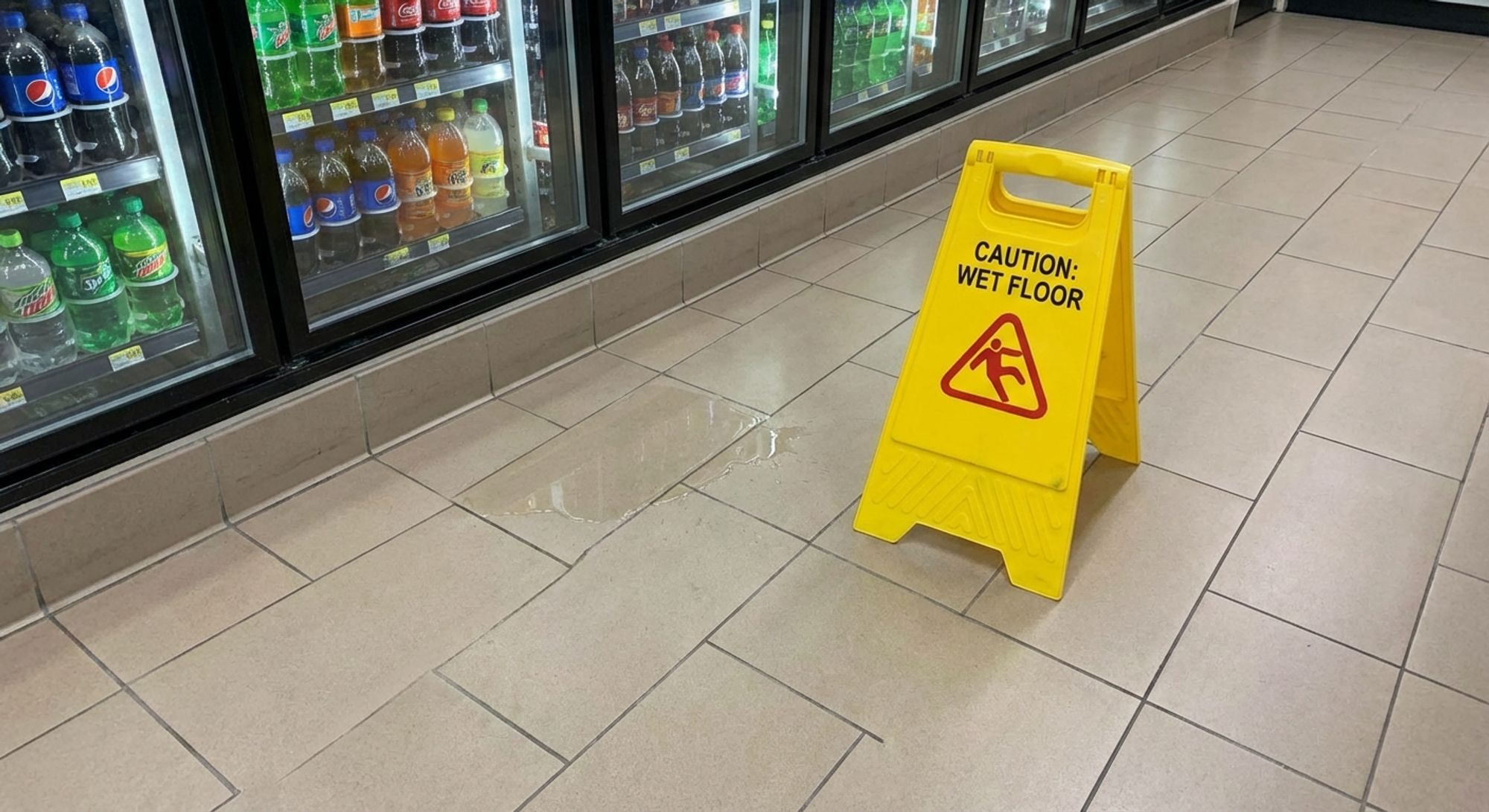
2) Gas Station Slip and Fall: A $1,500 Focus Group That More Than Doubled a “Cost-of-Defense” Offer
Before Focus
- Liability was denied.
- Defense posture: “We’re not at fault, but we’ll pay $10,000—cost of defense.”
What jurors did (20 evaluators; $1,500 package)
Evaluators watched the fall video and reviewed photos of the leaking water and the injuries.
- Mean: $31,955
- Median: $10,000
- IQR: $5,000 – $50,000
Why that mattered
Not every case is a runaway verdict. But when the defense posture is artificially low, a structured panel can show the case still has real value.
What changed next
After we sent the Focus results, the case resolved for $22,500—more than 2× the defense “cost-of-defense” offer.
Takeaway
You don’t need a 50-person group or a $10k spend to move a case. A lean package can still change the outcome.
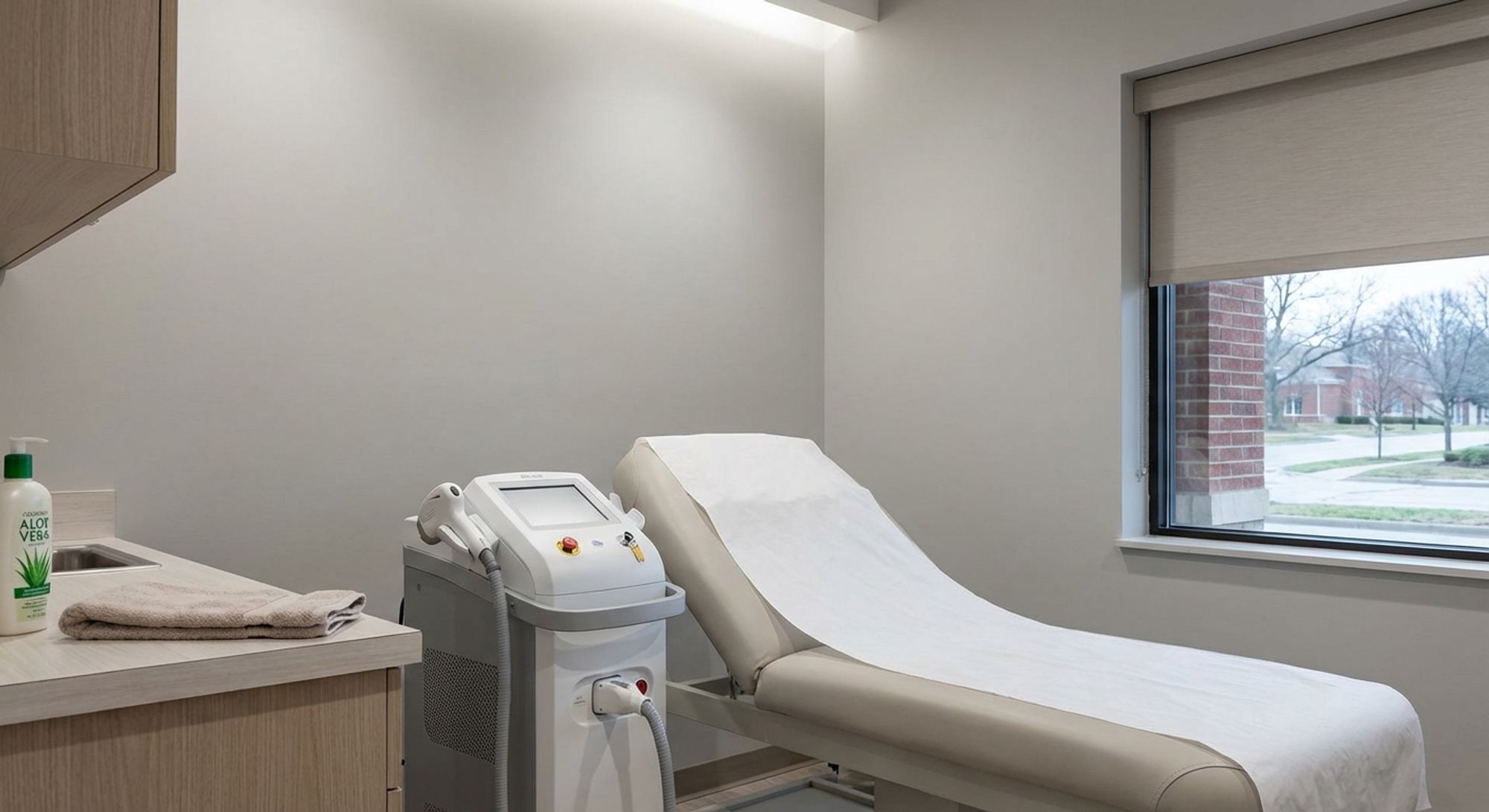
3) Burn Injury Case: If the Scars Fade, What’s the Case Worth?
Before Focus
This was not a clean valuation.
- The burns were significant and lasted nearly eight months.
- As the 90-day demand deadline approached, updated photos showed they had largely healed and were difficult to see.
The real question: Do jurors price the early severity—or the current appearance?
What jurors did
- Before seeing healed photos: average award $295,200
- After reviewing updated photos showing substantial healing: average award $132,480
Jurors cut the value by more than half once they saw the improvement.
Why that mattered
Without testing, this case could have been:
- Overvalued based on early photos, or
- Undervalued based on current appearance.
Focus measured the effect of healing on valuation—numerically, not emotionally.
What changed next
Those results were sent to defense and are being taken to the client for authority.
Takeaway
Focus is a tool for uncertainty. That uncertainty is where cases get under-settled.

4) Highway Left-Turn Collision: Testing a Zero-Offer Case Before Trial
Before Focus
- Set for trial
- Over $1M in medical bills
- Multi-million policy limits
- Defense offer: $0
- Defense theory: “Plaintiff was speeding” (no expert support produced to date)
What jurors did (the part insurers often ignore)
Jurors watched the actual crash video and weighed in.
Liability allocation
- 60% said the left-turning driver caused the collision
- 14.5% blamed the plaintiff
- 25.5% found shared fault
Even when jurors entertained plaintiff fault, they tended to keep it limited:
- Most common band: 0–20% fault to plaintiff (54.5% of responses)
Case value (with a $2.5M anchor shown to jurors)
- 46.3%: “approximately $2.5M”
- 35.2%: “significantly greater than $2.5M”
- 18.5%: “significantly less than $2.5M”
Why that mattered
A $0 offer only makes sense if jurors reject liability or slash causation. That is not what happened. The dominant reaction was:
- Fault lands on the left-turning driver, and
- Value clusters at or above the anchor.
Takeaway
Focus doesn’t just produce “a number.” It shows whether the defense posture matches juror reality—and here, it didn’t.
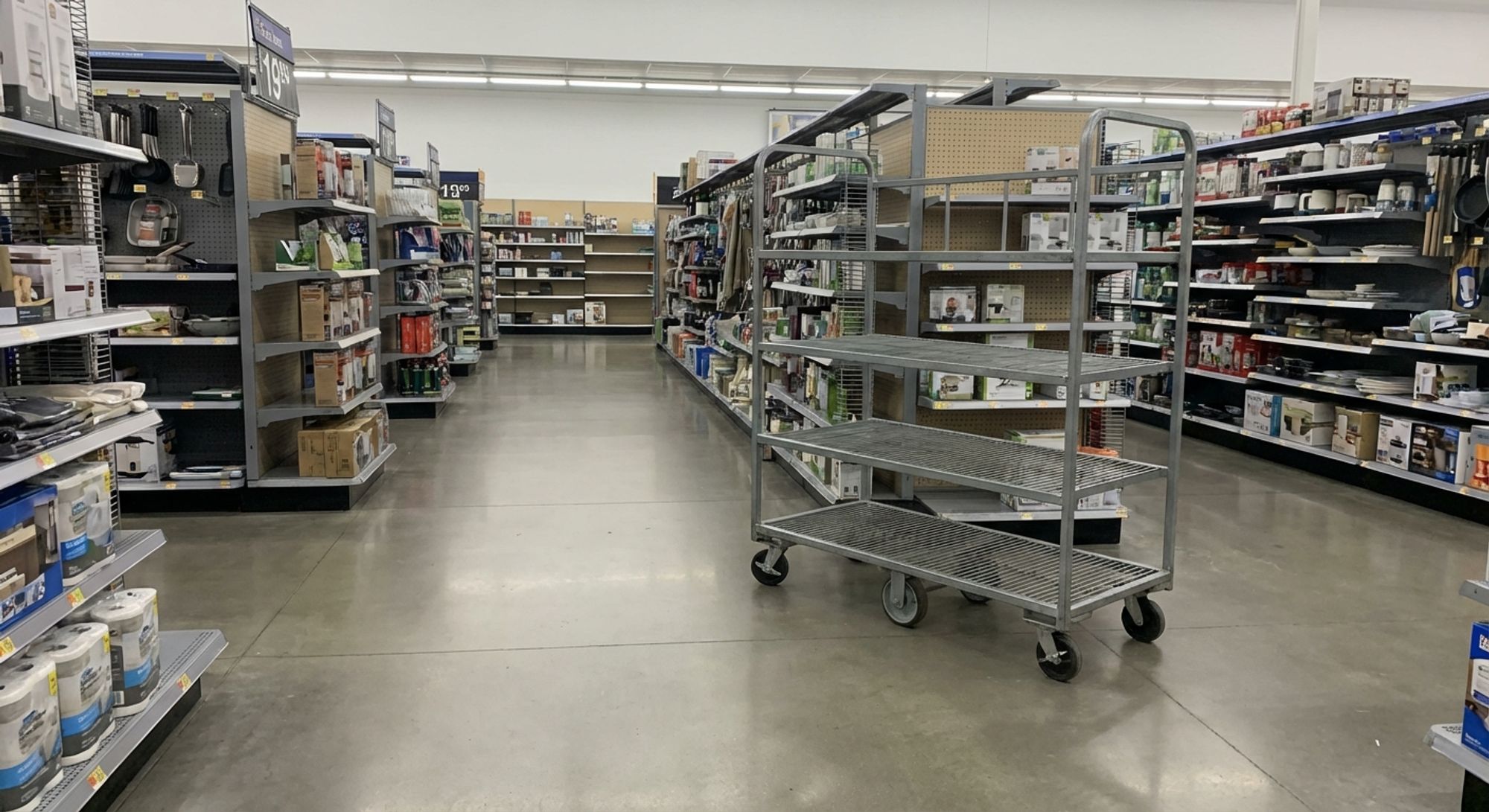
5) Premises Case After a Failed First Mediation: Why $115k Was Disconnected From Jurors
Before Focus
First mediation ended with a massive gap:
- Plaintiff: $3,285,000
- Defense: $115,000
Discovery included evidence that the defendant replaced 82 skylights due to leakage issues.
With second mediation approaching, the question was simple: Is $115k remotely credible?
What jurors did (liability)
On fault allocation, evaluators loaded responsibility heavily onto the defendant:
- 73.7% assigned 81–100% fault to the defendant
- Only 5.3% landed in the 0–20% fault range
Bonus insight: damages behavior
When told medical bill context (billed vs. paid/owed), 52.9% said it would increase their award.
Takeaway
This is exactly what Focus is for before mediation: real juror allocation and real damages behavior—so the mediator and carrier can’t pretend $115k is a serious number.
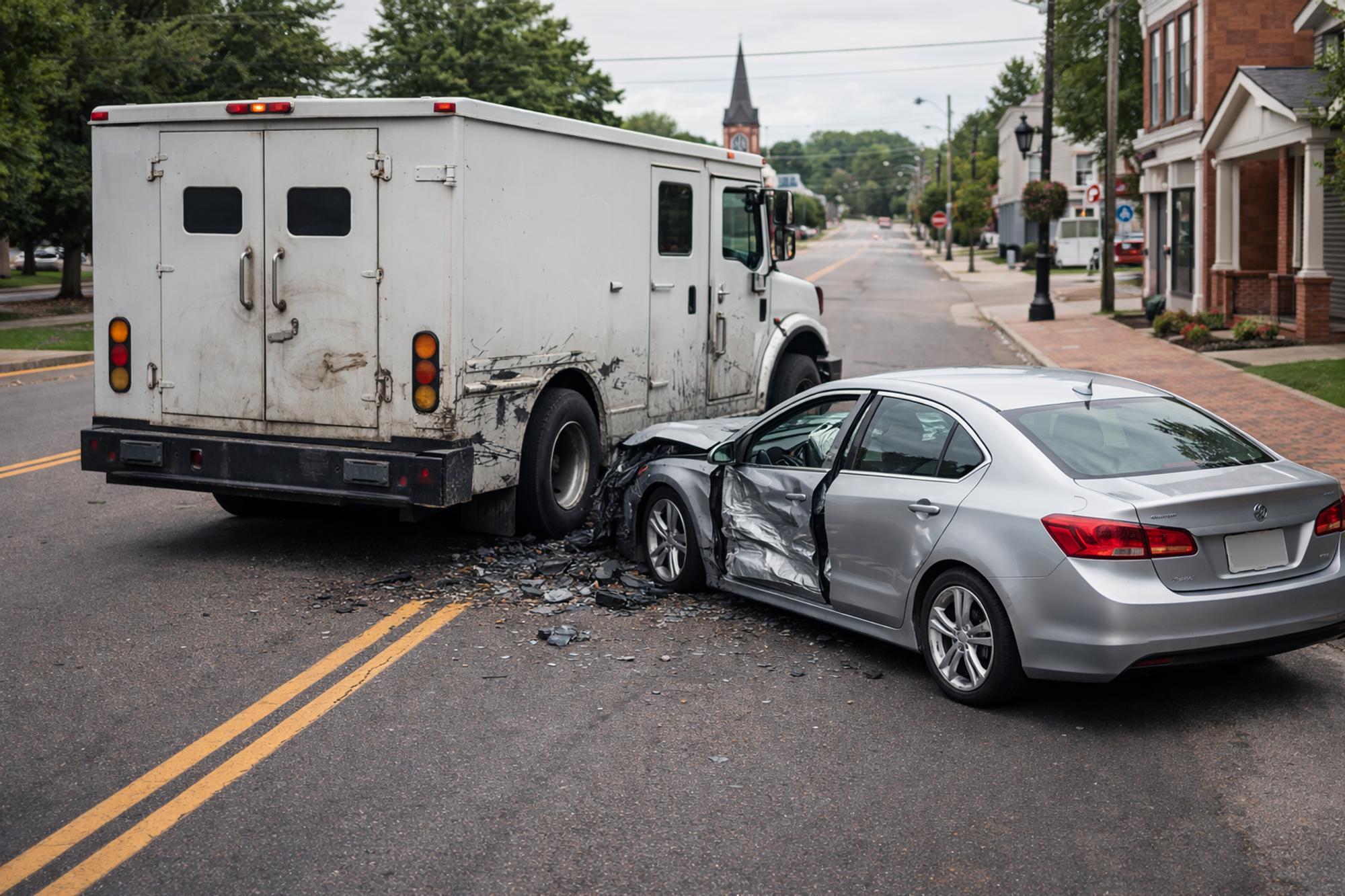
6) Do Treatment Gaps Destroy a Surgery Case?
This case involved a lane-merge collision with clear liability themes, but complicated medical timing. The plaintiff eventually underwent:
- Meniscus repair
- Cervical spine surgery
- Lumbar spine surgery
Defense narrative
Predictable and common:
- “She waited too long.”
- “The surgeries weren’t caused by this crash.”
- “No early imaging means no early injury.”
So we tested it.
What jurors struggled with
Jurors did not ignore the delays. Several evaluators questioned:
- Why treatment wasn’t immediate
- Whether earlier imaging would have shown injury
- Whether the surgeries reflected degeneration
That skepticism was real.
What persuaded them anyway
Three anchors drove value:
- A clear fault story (unsafe lane merge)
- Objective medical proof (MRIs and surgery)
- The seriousness of undergoing multiple procedures
Award behavior (despite delay skepticism)
- Median: $500,000
- Middle 50%: $500,000 – $850,000
- Adjusted mean: $679,047.62
Seven separate jurors independently landed at exactly $500,000—a stable anchor point, not volatility.
Takeaway
Treatment gaps create questions. They do not automatically erase value. Focus showed a stable mid-to-high six-figure band—despite skepticism—so negotiations can be grounded in how jurors actually reason.

7) Medical Malpractice: When a Simple Blood Test Becomes the Whole Case
This case involves a full-term newborn delivery with severe cerebral palsy. The dispute is timing.
- Plaintiff theory: a CBC should have been performed immediately after birth when the baby appeared extremely pale. It wasn’t. Hours later, profound anemia was discovered. Earlier testing and transfusion could have prevented the injury.
- Defense theory: the hemorrhage occurred long before delivery; the damage was already done.
So we tested it.
Early results (20% of the panel completed)
- 70% are assigning majority fault to the hospital and nursing staff
- 0% are assigning minimal (0–20%) fault to defendants
- Current median award: $15,000,000
What’s driving the reaction
Jurors are not starting with complex hematology debates. They are asking one question:
Why wasn’t the blood test run when it was requested?
Evaluators focused on:
- The OB-GYN’s request for a CBC
- The simplicity of the test
- The belief it should have been done immediately
Why this matters
Without testing, this case looks like an expert war. With testing, you can see how jurors are likely to simplify it: not a scientific battle, but a missed step.
Takeaway
Focus does not replace expert strategy. It shows what jurors will likely care about before trial—and it helps define a negotiation posture rooted in real juror thinking. This case is currently set for an upcoming mediation; we’ll share updates as the matter progresses.
The pattern we saw in month one
Across case types, the same principles showed up again and again:
- Documents move people (police reports, maintenance records, medical records).
- Visuals recalibrate value (video, injury photos, healed photos).
- Jurors simplify complexity (a missed CBC can outweigh an expert battle).
- Weak defense postures are measurable (zero offers and “cost-of-defense” numbers often don’t match juror allocation).
- Uncertainty is where testing pays (treatment gaps, healing injuries, contested causation).
If your negotiation is built on “what it feels like,” you’re guessing. When you test the case, you stop guessing.
Note: These examples are case-specific and presented for educational and informational purposes. Outcomes vary by jurisdiction, facts, evidence quality, and counsel strategy. Focus group feedback is not a guarantee of any trial or settlement result.